
Graham Waite
Feb 28, 2026

Welcome to Local Pet Insider |
If you live with a pet, you’ll know how much advice is out there — and how little of it feels genuinely useful, calm, or relevant to real life.
Local Pet Insider exists to change that.
Each week, we share practical, down-to-earth guidance shaped by the kinds of pet professionals who actually work with animals every day trainers, vets, groomers, walkers and specialists alongside the everyday moments that come with sharing your home with a pet.
This isn’t about trends, gimmicks or judgement.
We’re launching here in Peterborough and growing steadily, working with experts and partners we trust to bring you ideas, information and advice you can rely on every week.
But most importantly, this is about you and your pets.
We’ll be sharing your experiences with our growing local audience because real life with pets is where the best insight comes from. |
 |
When Your Dog Has Selective Hearing (and It’s Not Personal) |
Most dog owners believe recall is a simple pass/fail test.
Either your dog has it or they don’t.
In reality, recall is conditional and that misunderstanding is responsible for more eye-rolling, muttering, and “why did I even bother with training?” moments than almost anything else trainers see locally.
A dog that comes back perfectly in the garden hasn’t “nailed” recall.
They’ve learned it in one place, under one set of conditions.
Move that same dog into an open space full of smells, movement, other dogs, joggers, cyclists and whatever that mysterious patch of grass is hiding and the cue suddenly means something very different.
As one Peterborough owner Janine put it:
That’s not defiance. That’s context.
Dogs don’t automatically generalise learning.
A cue trained in calm conditions has to be rebuilt gradually as distractions increase.
Expecting instant reliability without retraining is a bit like learning to drive in an empty car park and then being dropped straight onto a roundabout at rush hour.
Where recall really starts to unravel is how humans react.
Trainers see the same two mistakes again and again.
The first is repetition.
Calling a dog multiple times doesn’t add clarity it teaches them that the first call is optional and the third one is the one that counts.
The second is recall always meaning the end. If “come back” reliably leads to the lead going on and the fun stopping, dogs learn exactly what’s being asked of them and why ignoring it might be a better option.
What actually improves recall isn’t more intensity.
It’s better structure.
Short sessions.
Clear cues.
Immediate rewards that genuinely matter.
And this is the bit many owners skip sometimes sending the dog straight back to whatever they were doing after they return.
That single change often removes a lot of resistance.
One Jan told us:
Progress here isn’t dramatic.
It’s incremental.
Five focused minutes done consistently beats a long, frustrated session every time.
Ending on a small success builds reliability and confidence on both sides.
Recall doesn’t fail because dogs are stubborn.
Consistency beats intensity. Almost every time.
Be honest what does your dog pretend not to hear outside?
(We promise you’re not the only one.) |
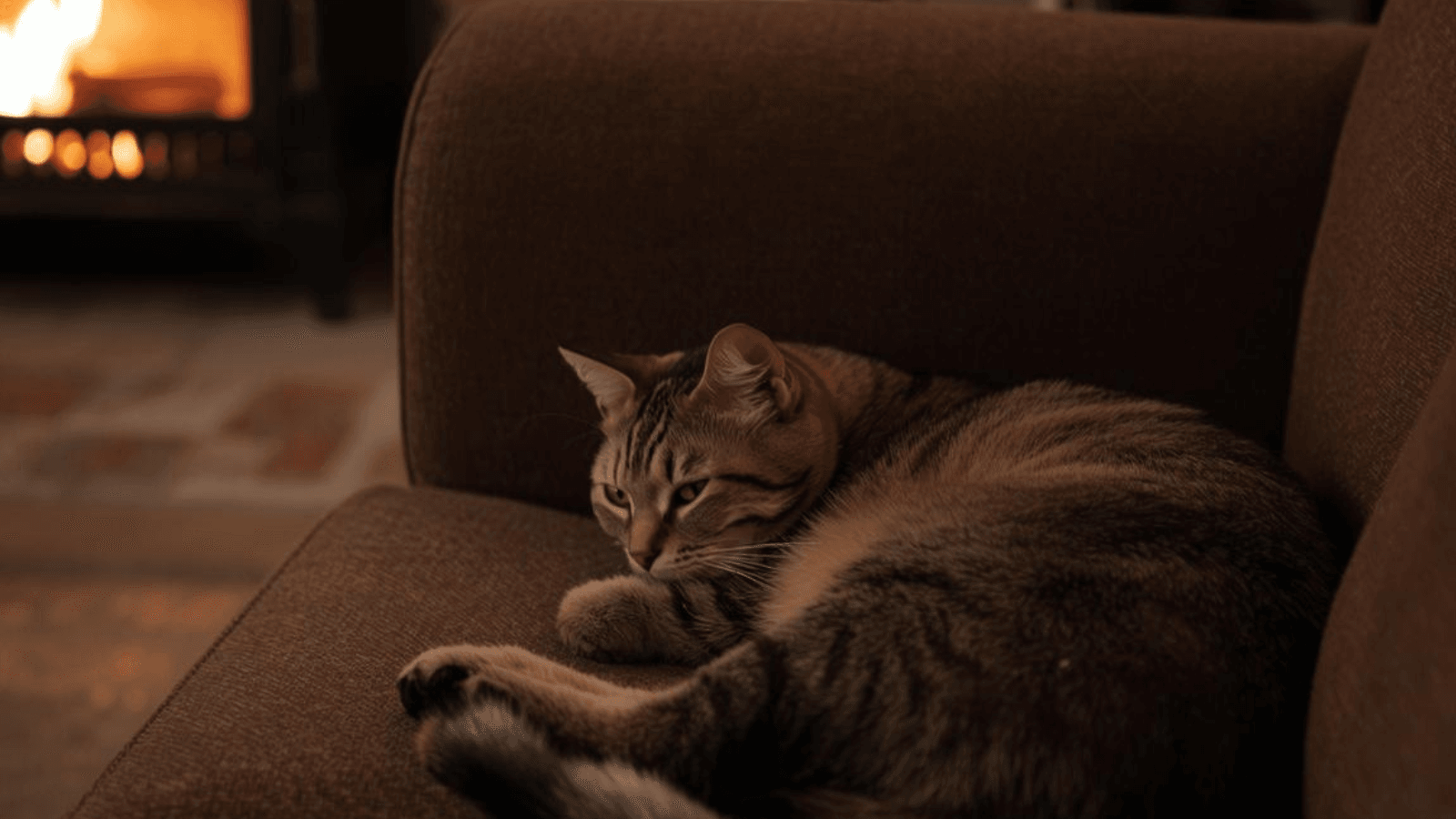 |
Why Your Cat Gets “Odd” in Winter (and Why It’s Usually Normal) |
As winter settles in, local vets often hear the same quiet concern from cat owners:
Indoor cats, in particular, can seem sleepier, less playful, or slightly more irritable as the seasons change.
In many cases, this isn’t a problem it’s a response to shifts in light levels, temperature, and daily routines.
Cats are deeply habitual.
They notice when feeding times drift, when people are home at different hours, and when daylight disappears earlier than it used to.
Even small changes can show up as bigger behavioural shifts.
Vets usually advise looking for patterns, not isolated moments.
A cat that sleeps more but still eats, uses the litter tray normally, and engages in short bursts of activity is often just adjusting.
A gradual change that levels out is typically far less concerning than a sudden shift in appetite, litter habits, or interaction.
What helps most is consistency.
Keeping feeding times steady, offering small amounts of mental stimulation, and maintaining familiar routines can make winter easier on indoor cats.
Simple things like puzzle feeders, short play sessions, or predictable quiet time often make a noticeable difference.
If something feels genuinely out of character, or a change doesn’t settle, it’s worth paying attention rather than assuming it will resolve on its own.
Owners tend to know when something isn’t quite right and that instinct is usually worth trusting.
Has your cat turned into a winter hermit, or are they acting exactly the same as ever?
|
🎓 Training Tip of the Week with Smarter Paws Dog Training - Why “Trying Harder” Is Rarely the Answer |
One of the biggest training misconceptions is that progress should be fast and obvious.
If a dog doesn’t “get it” straight away, many owners assume they need to repeat the exercise more often, make it firmer, or push through until it works.
In reality, sustainable behaviour change almost always happens in small, consistent steps not dramatic breakthroughs.
Professional trainers tend to focus on clarity over repetition.
If a dog doesn’t respond, it’s usually because the cue isn’t clear in that environment yet not because the dog is being difficult or ignoring you on purpose.
Short sessions matter more than long ones.
Five focused minutes with clear rewards will almost always beat half an hour where attention drifts and frustration creeps in.
Ending a session on a small success even if it feels modest builds confidence on both sides and makes the next session easier.
One thing trainers see regularly is owners trying to train through distraction instead of reducing it.
If a dog is struggling, that’s usually a sign to simplify the situation, not intensify the effort.
Progress in training often looks limited from the outside.
But consistency, clarity, and realistic expectations are what actually make behaviours stick.
Trying harder feels productive.
Be honest what do you find harder to do in training?
|
Why Cats Often Need More Grooming Help Than Owners Expect |
Many cat owners assume grooming is something cats simply take care of themselves and for some, that’s mostly true.
But groomers regularly see issues building quietly long before owners realise there’s a problem.
Cats are excellent at masking discomfort.
Mats don’t usually form overnight, and by the time they’re obvious, they can already be pulling on the skin and causing irritation.
Areas like behind the ears, under the legs, and along the belly are especially easy for cats to miss, particularly as they get older or less flexible.
Winter often makes this worse.
Thicker coats, more time indoors, and drier air can all contribute to tangles and skin sensitivity.
Groomers often notice that cats who coped fine through summer suddenly struggle once routines and environments change.
One of the biggest misconceptions is that grooming is cosmetic.
In reality, it’s about comfort.
Mats trap moisture, restrict movement, and can make even normally relaxed cats more irritable especially when touched or handled.
Regular, gentle brushing helps prevent problems building up and reduces the need for stressful interventions later.
Short, calm sessions done consistently tend to work far better than occasional attempts once a coat is already difficult to manage.
Grooming isn’t about perfection.
Does your cat tolerate brushing… or treat it like a personal insult?
|
Interesting Pet Facts |
|
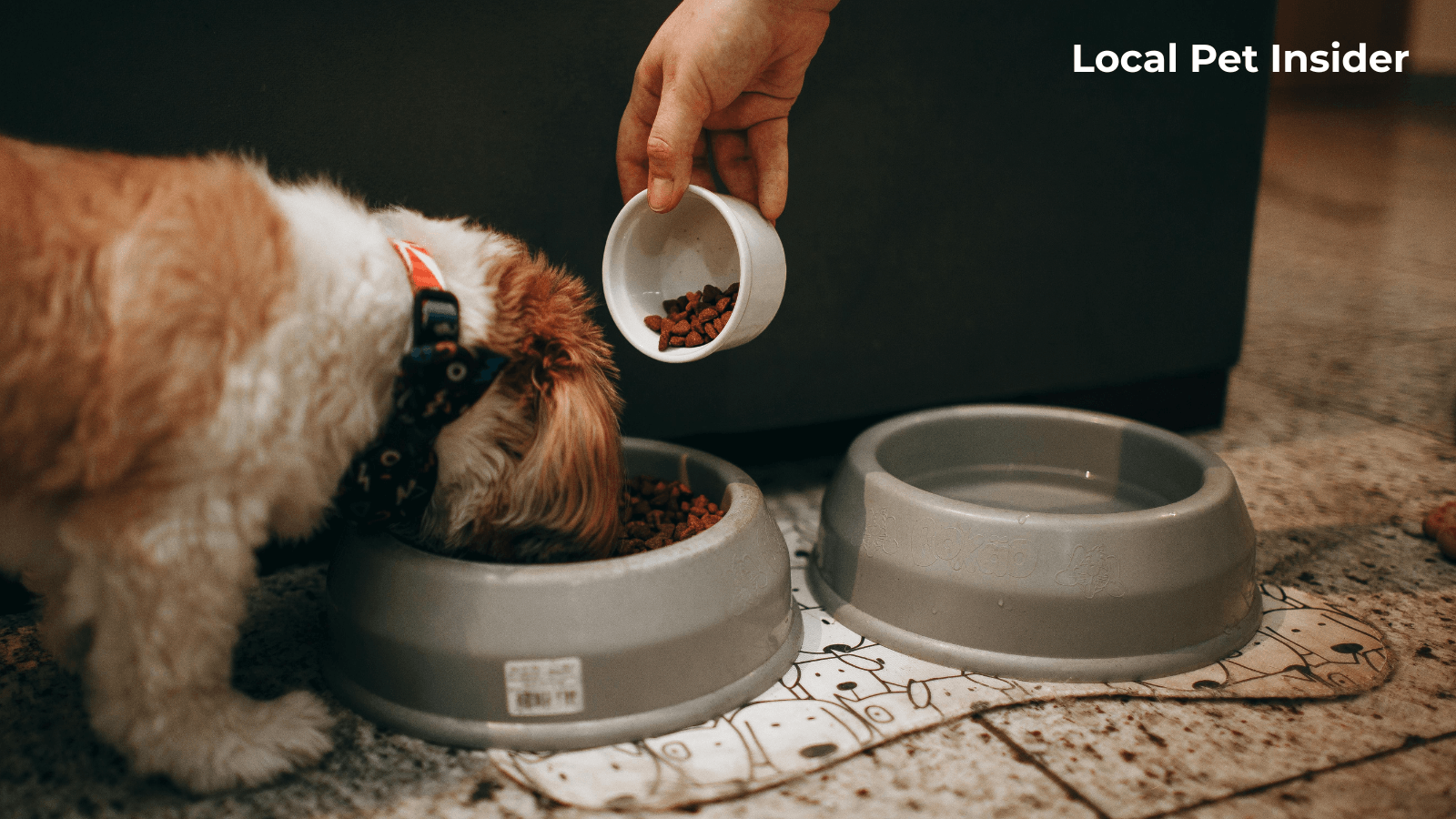 |
🦴 Nutrition Myth Buster - If It’s Cold, They Need More Food |
As the weather turns colder, many owners instinctively increase food portions, assuming dogs burn more energy staying warm.
Nutrition specialists say this is one of the most common and most understandable seasonal mistakes.
For most dogs, winter doesn’t actually mean higher energy use.
In fact, activity levels often drop as walks get shorter and routines change.
Increasing food while movement decreases is one of the easiest ways weight creeps on without anyone noticing.
What matters more than portion size is body condition.
Nutrition professionals usually advise checking how a dog looks and feels, rather than sticking rigidly to the scoop.
You should be able to feel ribs easily under a light layer of muscle, and see a clear waist when viewed from above.
Another misconception is that changing food is the solution.
In many cases, consistency matters more than switching brands or formulas.
Small, regular adjustments based on activity and condition tend to be more effective than seasonal overhauls.
Winter weight gain is rarely dramatic it’s gradual. A little awareness now often prevents bigger issues later.
Food keeps dogs fuelled.
Have a think — does your dog look the same in winter as they do in summer?
|
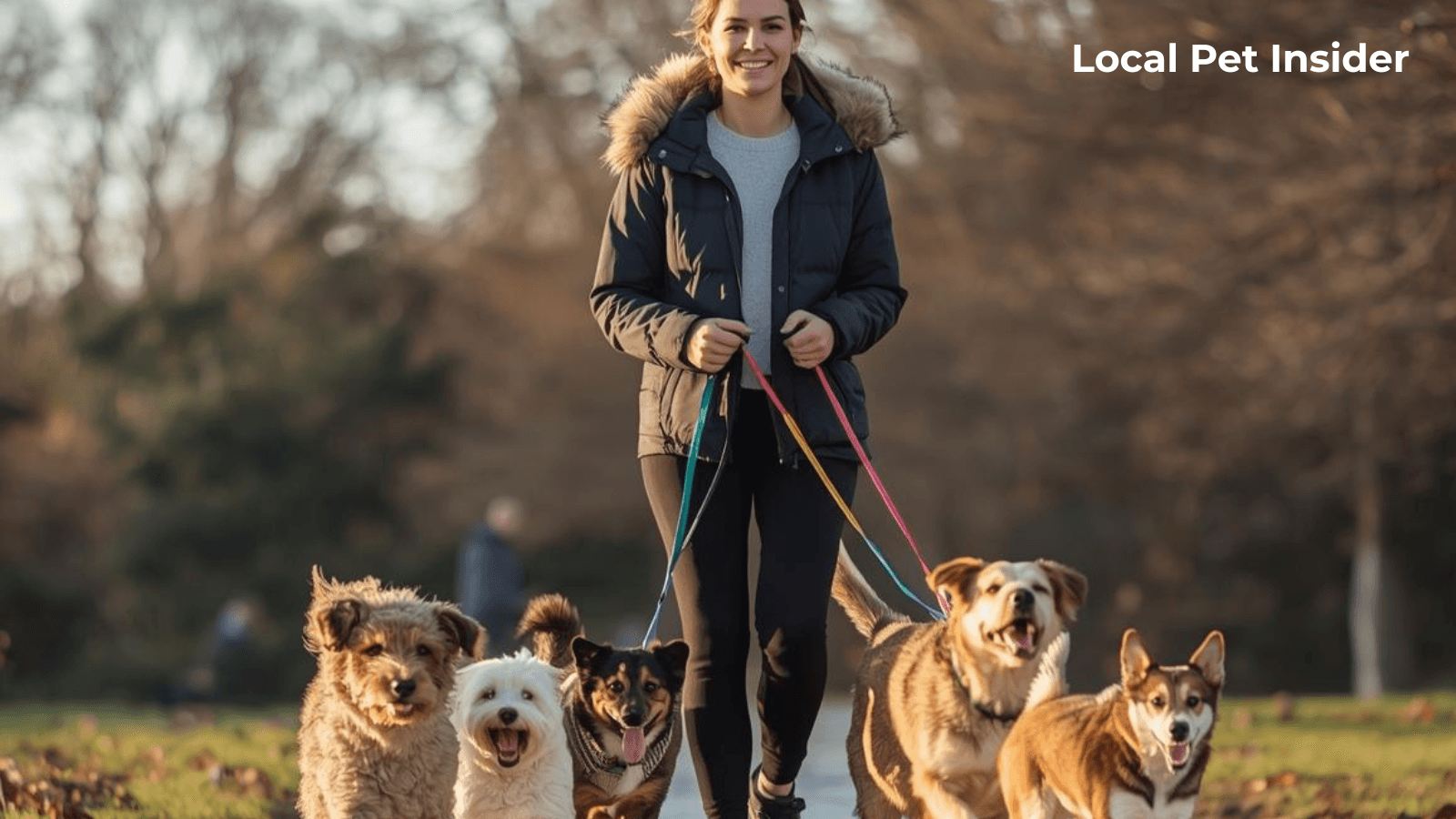 |
Dog Walker’s Reality Check - When “Hyper” Actually Means Overtired |
Dog walkers often hear the same description again and again:
In reality, many of the dogs labelled as hyper aren’t under-exercised they’re overtired.
Shorter daylight hours and busier schedules can squeeze walks into noisier, more crowded parts of the day.
Add lots of stimulation, fewer chances to decompress, and inconsistent routines, and dogs can start to look restless, reactive, or impossible to settle at home.
Walkers regularly notice that dogs who pull, jump, bark, or struggle to switch off are often running on empty rather than bursting with energy.
More walking isn’t always the answer. Different walking is.
Slower-paced walks that allow sniffing, exploring, and mental processing can be far more calming than covering distance quickly.
Sniffing, in particular, gives dogs a chance to regulate themselves it’s work for the brain, not just the legs.
Another common mistake is filling every spare moment with activity.
Dogs need downtime just as much as they need movement. Without it, behaviours often escalate rather than improve.
A settled dog isn’t a tired dog.
Does your dog struggle to switch off at home — even after a walk? |
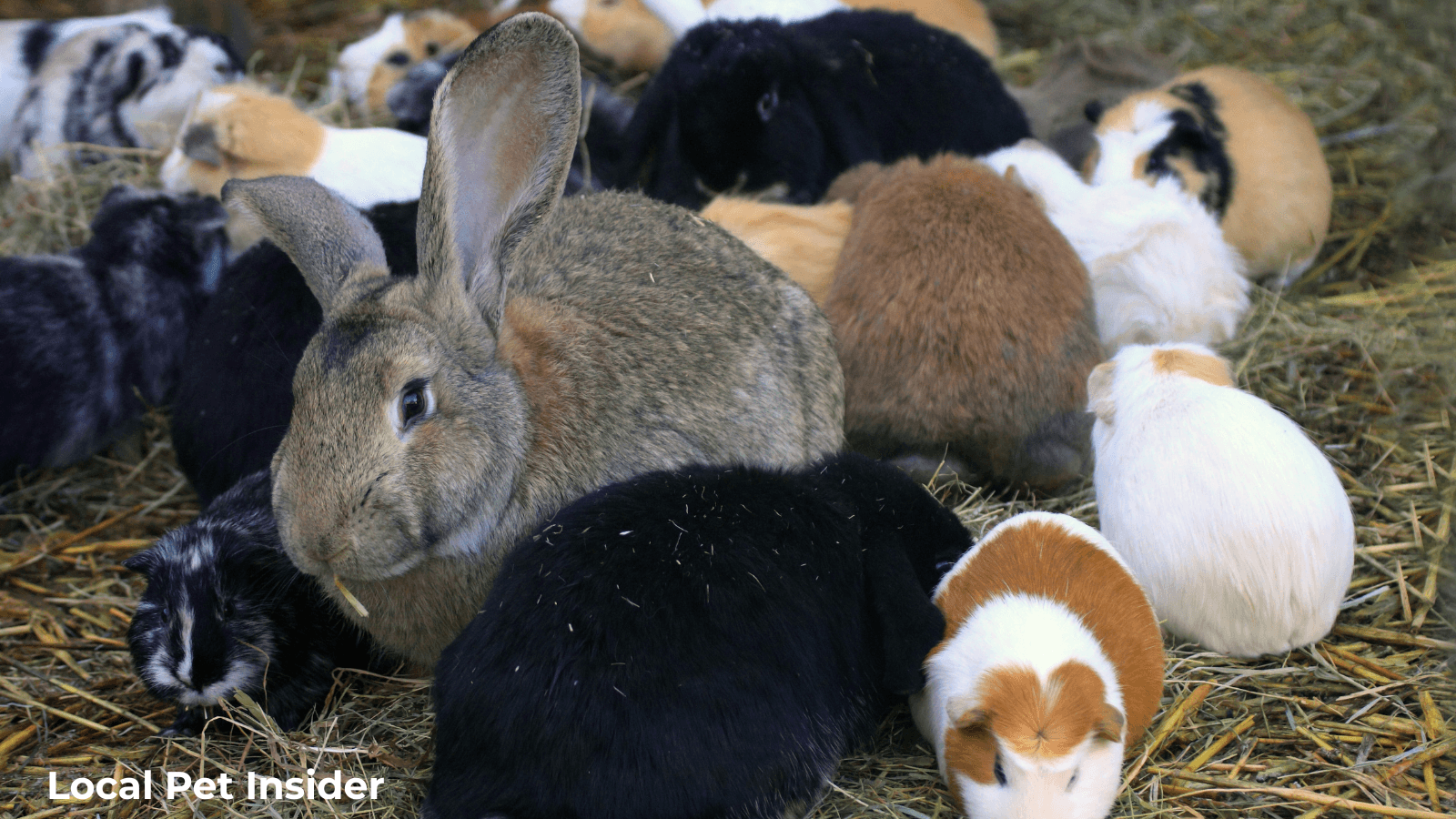 |
🐾 Beyond Dogs & Cats -Small Pets Feel Seasonal Changes Too |
Rabbits, guinea pigs, hamsters and other small pets are often thought of as low-maintenance. In reality, they’re just less obvious about how changes affect them.
Small animals are especially sensitive to shifts in temperature, light, and routine.
As winter sets in, owners may notice pets becoming less active, eating differently, or seeming more withdrawn.
Because many of these animals are prey species, they instinctively hide signs of stress rather than advertise them.
One of the biggest factors specialists point to is routine.
Changes in feeding times, cleaning schedules, room temperature, or household noise can all have a bigger impact than owners expect.
What feels minor to us can feel significant to them.
Consistency helps more than intervention.
Keeping feeding and handling times steady, maintaining a calm environment, and avoiding sudden changes goes a long way toward keeping small pets settled through seasonal shifts.
They may not demand attention but they still notice when things change.
Do you have a small pet at home that people often forget about?
|
Mini Care Guide (DOGS & CATS) Small Changes That Actually Make Life Easier With Pets |
Most pet problems don’t come from one big mistake.
Local owners often tell us it’s the minor adjustments not major routine changes that make the biggest difference day to day.
Adrian from Werrington told us,
Dehlia, a cat owner in Orton Southgate, said,
A few changes professionals — and owners — see helping again and again:
As Gerry from Netherton put it,
You don’t need a new routine.
What’s one small change that made life with your pet easier than you expected?
|
This Week’s Giveaway (Peterborough Dog Owners) |
Exciting News!
We’ve teamed up with Smarter Paws Dog Training to give one local dog owner a free 1-hour private training session.
Everyone who enters will also get free access to the new Smarter Paws Hub, including a short video course on stopping dogs pulling on the lead.
👉 To enter, head to our Peterborough Spotlight Facebook page and comment DOG on the giveaway post.
(We’ll message all entrants directly with details.) |
 |
Rescue Spotlight — Peterborough |
Local rescue groups are under pressure year-round, not just when stories make the news.
Volunteers locally tell us that adult cats and older dogs are often the hardest to place not because there’s anything wrong with them, but because many people instinctively look for kittens or puppies first.
Several local rescues and foster networks are currently caring for animals that would suit calmer homes, first-time owners, or people who don’t want the intensity of a very young pet.
Adoption isn’t the only way to help. Fostering, donating food or supplies, or simply sharing rescue posts all make a genuine difference. |
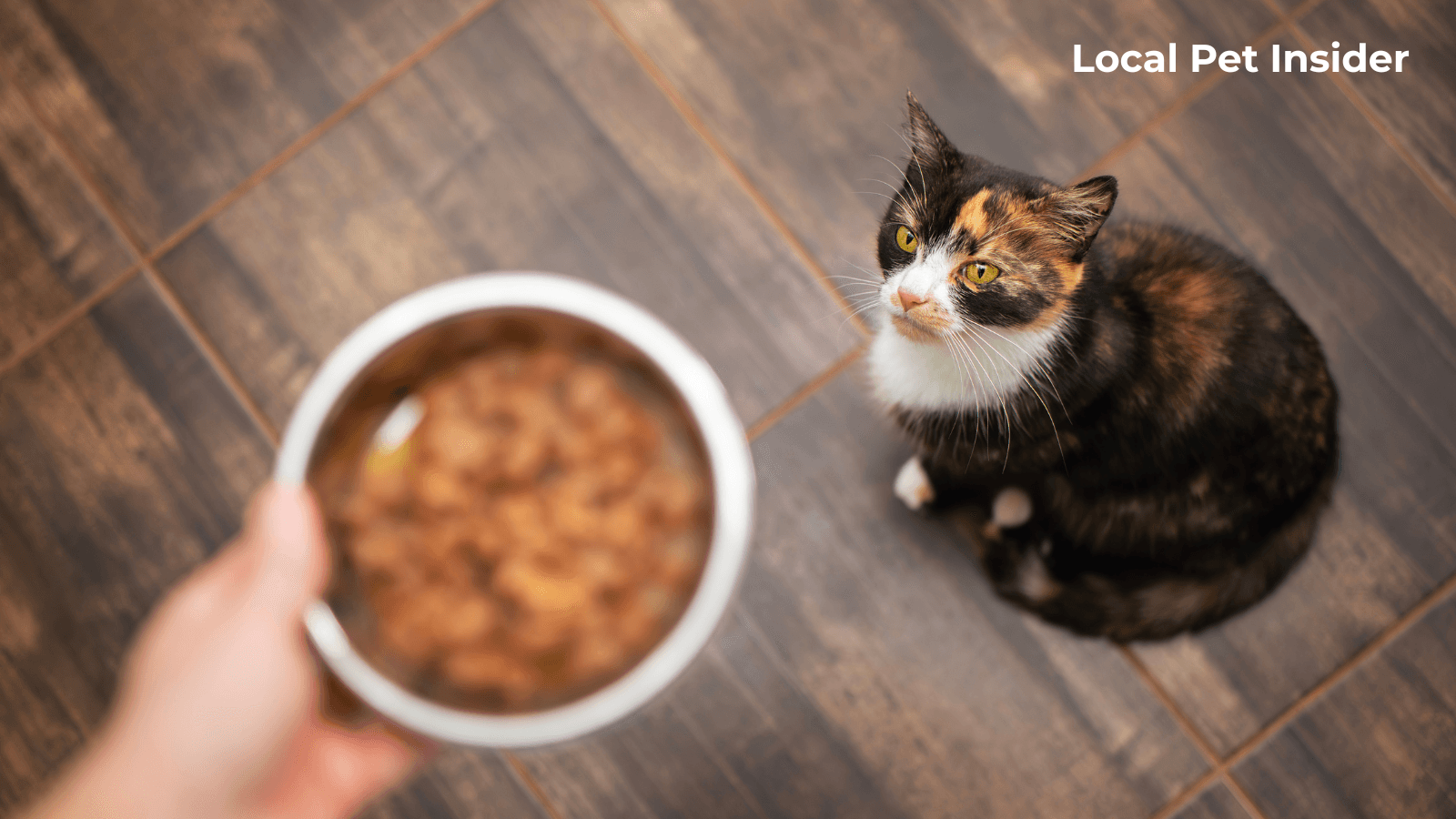 |
Community Paw Print (Peterborough) - The Look That Says “You’re Late” |
Every pet owner knows it.
That look you get when dinner is five minutes late.
One local owner joked, “I didn’t even know I was late until he checked the bowl and then checked me.”
Pets are very good at learning patterns.
They notice when meals happen, when walks usually start, and when people get home.
Once that rhythm is set, even a small delay can feel like a broken promise.
A cat owner in Bretton told us, “She sits by the kitchen doorway at exactly the same time every evening. If I’m on a call, she just stares until I give up.”
It’s not about hunger it’s about expectation.
Routine gives pets something to rely on, especially on busy days when everything else feels a bit unpredictable.
That’s why the reaction can feel so intense. To them, the routine is the reassurance.
As one dog owner put it rather simply, “He doesn’t need the food yet. He needs to know it’s coming.”
Does your pet have a routine they enforce better than you do?
|
Until Next Time |
Living with pets isn’t tidy or predictable and that’s kind of the point. Some weeks everything clicks.
Other weeks you’re negotiating with a dog who suddenly can’t hear you, or a cat who’s decided you’re late on purpose.
Local Pet Insider exists for those moments practical advice, shared experience, and the reassurance that most pet problems are common, normal, and fixable.
If something in this issue made you nod, laugh, or rethink how you do things, we’d love to hear from you. Your stories help shape what we cover next.
We’ll be back soon with more real-world advice, local insight, and everyday pet life right here in Peterborough.
🐾 |